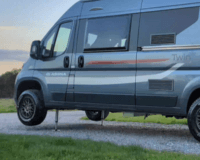
If you’re asking, “Can I fit a self-levelling system to my existing motorhome? The good news is that in most cases, you can. These systems can be retrofitted to many modern motorhomes, particularly larger A-Class and coachbuilt models. They’re often compatible with chassis from manufacturers like Fiat, Ford, Peugeot, Renault, Citroën, Iveco, MAN, Volkswagen, and Mercedes, including those with extended AL-KO chassis.
Even some panel vans and van conversions can now be fitted with compact or lightweight levelling systems, although options may be more limited. From personal experience, I recommend It’s always worth getting a professional assessment to confirm compatibility with your specific vehicle.
Popular Motorhome Self-levelling System Brands
These hydraulic levelling systems are specifically designed for aftermarket installation and are typically fitted by manufacturer‑approved dealers to ensure proper setup and warranty compliance. They offer a wide range of features, from fully automatic operation to manual controls, catering to different vehicle types, sizes, and user preferences. With options available across various price points, there’s a system to suit most motorhome owners’ needs and budgets.
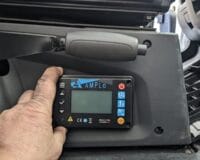
Many include advanced controls, touchscreen panels, or mobile app integration for added ease of use.
How Does a Motorhome Self-levelling System Work?
Most self-levelling systems use a hydraulic or electro-mechanical setup, with four stabilising legs mounted to the chassis, typically near each corner of the motorhome. When activated, a control unit (usually installed inside the vehicle or accessible via a smartphone app) lowers the legs in a specific sequence. Sensors measure the angle of the vehicle, and the system adjusts each leg to create a stable, perfectly level platform. Some systems offer both automatic and manual modes, allowing fine-tuned adjustments if needed. Once level, the motorhome remains firmly grounded making it safer and more comfortable, no matter the pitch.
Things to Consider Before Installing a Motorhome Self-levelling System
1. Chassis Type & Compatibility
Not every chassis is suitable, your motorhome needs a strong, accessible underbody. AL-KO and Fiat Ducato-based models are typically good candidates due to their robust design and compatibility with most systems.
2. Weight Implications
A hydraulic system can add 50–100kg ?? really? to your payload. If you’re already close to your weight limit (especially on a 3,500kg licence), this could be a deal-breaker.
3. Installation Requirements
Fitting a self-levelling system typically takes 1–2 days and must be carried out by a certified technician or authorised installer. Many systems also offer a lifetime warranty, but only when installed professionally. At Bristol Caravans we have touring pitches to make staying easier, book onto one of our campsites today.
4. Cost in the UK
In the UK, you can expect to pay between £4,250 and £6,750 for a hydraulic levelling system and its installation. The AL-KO HY4 is typically the most expensive option but is known for its exceptional stability. E&P Hydraulics sits in the mid- to high-end range and is a popular choice among UK motorhome owners. For those seeking more affordable solutions, Amplo and MA-VE provide excellent value for money.
Real-World Motorhome Self-levelling System Benefits on the Road
Self‑levelling systems deliver a wide range of real-world advantages beyond just convenience:
- Effortless Setup: Park your motorhome, press a button, and the system levels automatically, usually in under 90–120 seconds.
- Improved Safety & Stability: Reduces interior sway and exterior rocking in wind, making walking and cooking much safer.
- Appliance & Furniture Protection: Keeps absorption fridges, cabinetry, and structural components stress‑free, preventing long‑term damage.
- Better Sleep & Comfort: A level surface helps avoid rolling or sliding in bed and provides a balanced environment for day‑to‑day use
- Enhanced Drainage & Maintenance: Optimises gray‑water and waste draining, makes shower floors safer, and simplifies tyre changes thanks to lift functionality
Motorhome Self-levelling Systems for Wild Camping and Off-Grid Touring
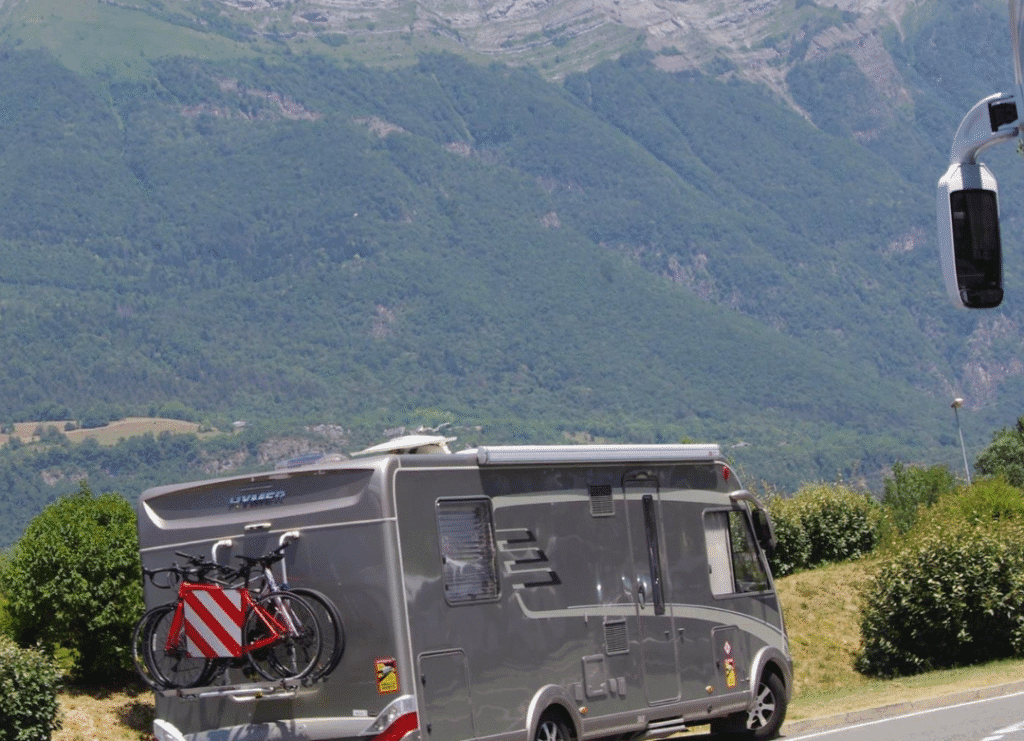
Self-levelling systems are especially useful for motorhomers who enjoy wild camping or staying on basic CL (Certified Location) sites, where pitches may be sloped, uneven, or grassy. In these environments, the ability to quickly stabilise and level your motorhome means you can set up almost anywhere with confidence. Whether you’re stopping overnight in a remote lay-by, a vineyard in France, or a coastal car park, the system gives you peace of mind. No more guessing with ramps, packing blocks, or hunting for the flattest ground. They’re particularly helpful on rainy days, when soft ground can make manual levelling difficult or even unsafe.
Is It Worth the Investment?
Many UK motorhome owners who’ve had a self-levelling system installed say the same thing, they wouldn’t go back. Here’s why:
- No more faffing with levelling ramps
- Level and stable in under 2 minutes
- Better sleep with a flat or slightly raised (if preferred) bed
- Boosts resale value and buyer appeal
While it’s not a budget upgrade, for regular tourers, especially those exploring uneven pitches across the UK and Europe- the convenience, comfort, and confidence are hard to beat.
It’s an investment in both your motorhome’s usability and your peace of mind while travelling.
If you value a smoother setup, better night’s sleep, and a touch of luxury on the road, it’s a smart investment.
Ongoing Maintenance and Reliability
Once installed, self-levelling systems require very little maintenance. Most use corrosion-resistant components and weather-sealed hydraulics, ensuring long-term reliability in all seasons. However, I recommend it’s still wise to have the system serviced annually – especially before a long European tour – to ensure optimal performance. Some systems also offer app connectivity, allowing for diagnostics, remote operation, and firmware updates via your smartphone.
Best Time to Install a Self-Levelling System
The ideal time to install a self-levelling system is either during the off-season or when your motorhome is already in for routine servicing or upgrades. This minimises downtime and allows technicians to integrate the system without rushing. If you’re planning a major trip such as a European tour or extended staycation fitting the system beforehand ensures you can fully enjoy the benefits from day one. Many installers also offer seasonal promotions, so it’s worth enquiring about current deals or booking in advance during quieter periods.
Where to Buy and Install in the UK
- At Bristol Caravans, we specialise in the professional installation of self-levelling systems for a wide range of motorhomes, campervans, and leisure vehicles. Our team is fully qualified, manufacturer-approved, and experienced with all major brands, including E&P Hydraulics, AL-KO HY4, MA-VE, and more. Whether you own a Fiat Ducato-based camper or a premium A-Class motorhome on an AL-KO chassis, we’ll ensure your system is installed to the highest standards.
Final Thoughts
If you’re asking, “Can I retrofit a self-levelling system to my motorhome?” the answer is yes, in most cases, as long as your vehicle is compatible and you have the available payload and budget. Compatibility depends largely on your chassis type, and a professional installer can quickly assess whether your setup is suitable. While it’s certainly a significant investment, many regular tourers, seasonal travellers, and full-time vanlifers find it to be one of the most worthwhile upgrades they’ve made. From quick setup on arrival to enhanced comfort, better sleep, and long-term resale value, a self-levelling system brings a noticeable boost in convenience and quality of life on the road.