Winterproof Your Adventures
Winter doesn’t have to slow down your adventures but an unprepared motorhome can lead to frozen pipes, battery issues and costly damage.
Winterisation makes sure your water systems, heating, and electrics are fully protected, while keeping your interior dry and mould-free. Whether you’re storing your motorhome for the season or planning a winter getaway, a properly winterised vehicle means you can travel with confidence, stay comfortable, and enjoy every trip without worrying about cold-weather problems.
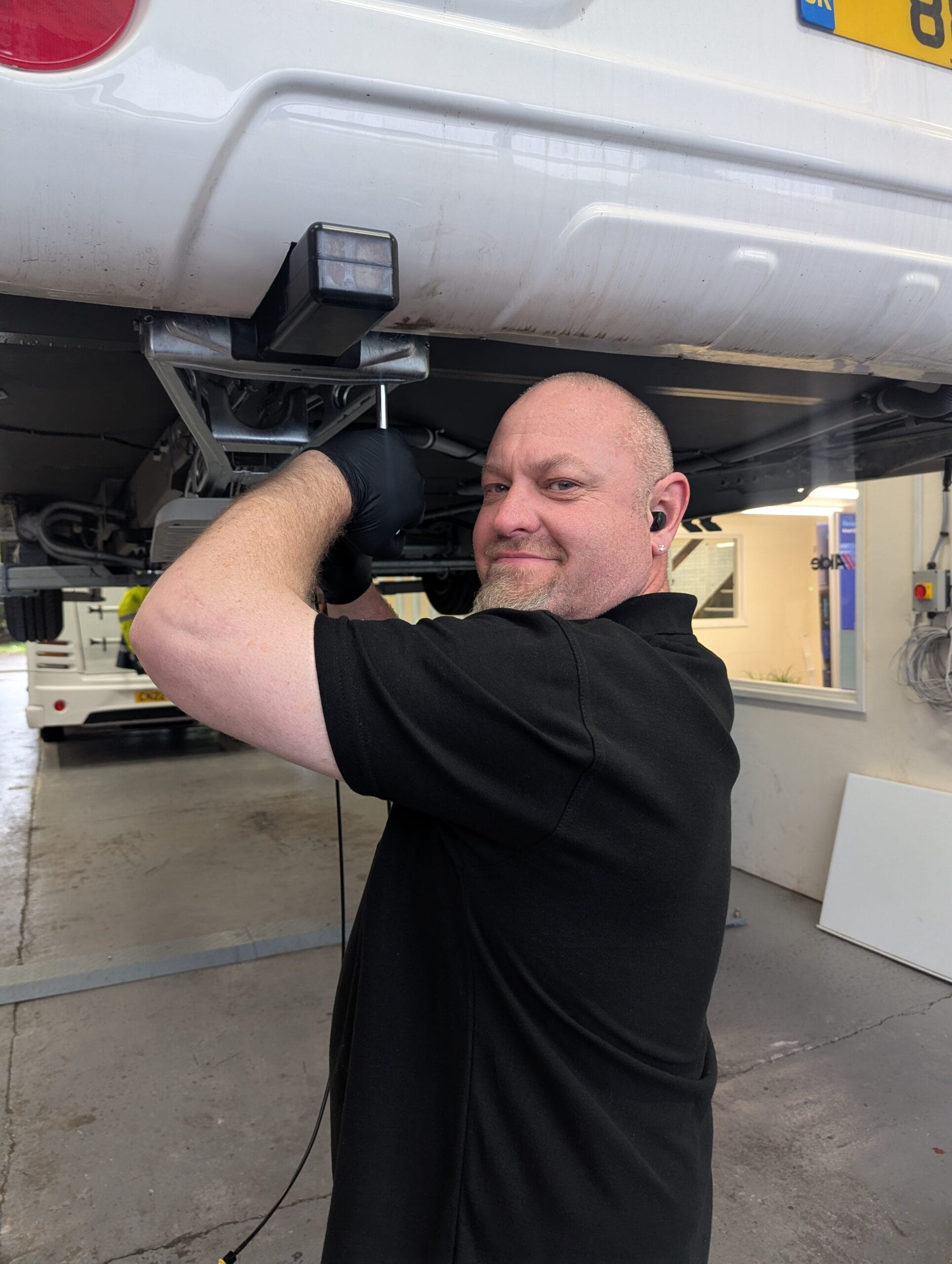
We winterise motorhomes, campervans and caravans at our workshop in Almondsbury, Bristol, just off the M4/M5. Bristol Caravans has been looking after caravans, motorhomes and campervans since 2012. We’re an AWS Approved Workshop and MCEA member, rated 4.8 on Google from over 260 reviews.
- Personal on-site assessment
- Winterisation checklist here
- Carried out by trained, experienced technicians
- 1 year guarantee
How our winterisation works
- Book in. Choose a date that suits you. If you’re travelling a distance, ask about our onsite touring pitches.
- Your winterisation. Our technicians carry out the work at our workshop in Almondsbury, Bristol.
- We report back. We tell you what we found and agree any extra work with you before we do it.
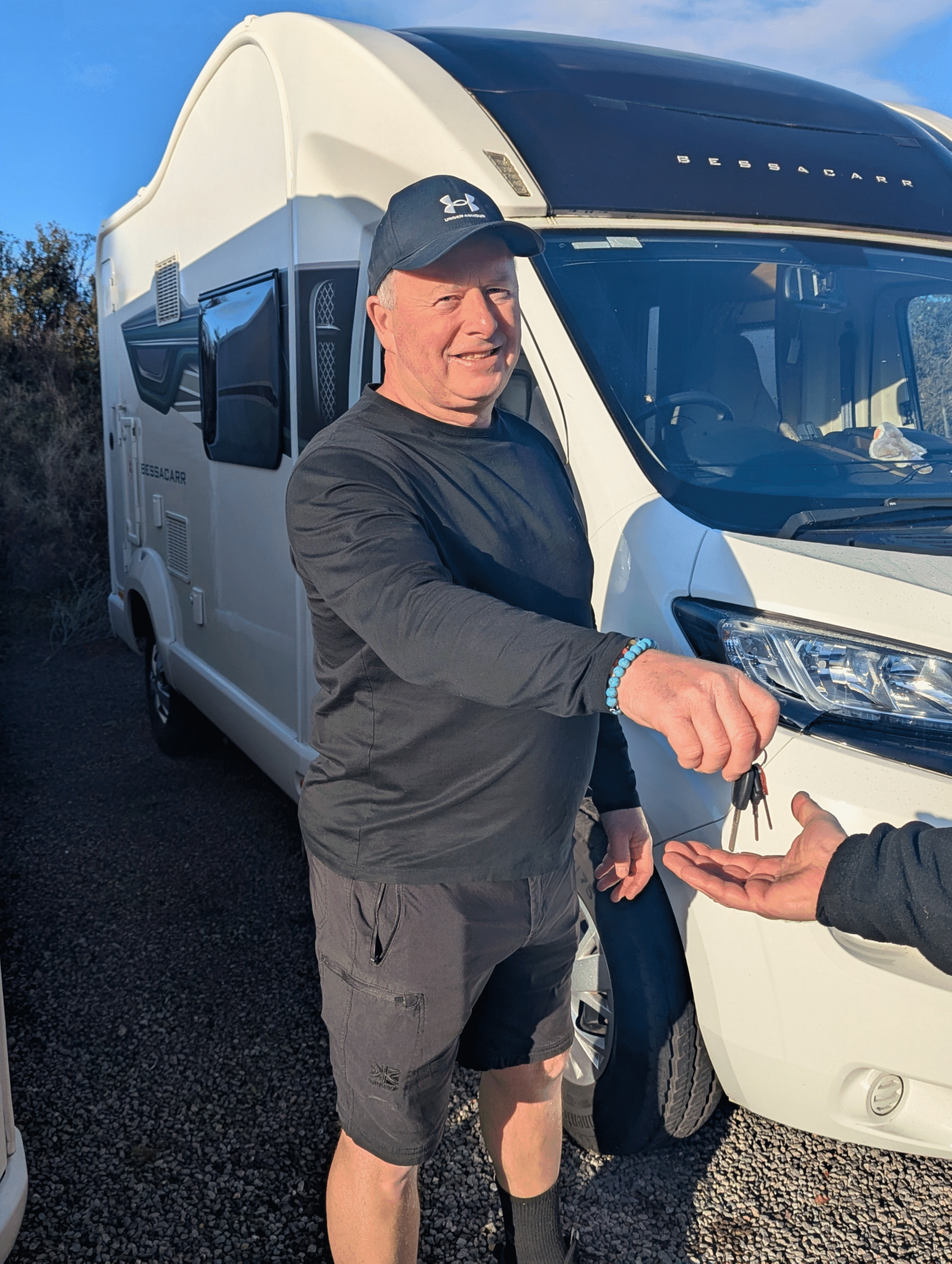
- Collection. We talk you through the results when you collect your vehicle.
Get an Easy Estimate for Your Vehicle
Winterisation FAQs
What is winterisation?
Winterisation is the process of preparing your motorhome to protect its water, heating, and electrical systems from freezing and damage during cold weather.
What is winterisation?
Winterisation is the process of preparing your motorhome to protect its water, heating, and electrical systems from freezing and damage during cold weather.Winterisation involves taking steps to ensure your motorhome’s systems and components are safe from frost, ice, and low temperatures. This usually includes draining water tanks and pipes, adding antifreeze where needed, protecting the battery, and servicing heating and electrical systems.
The goal is to prevent damage such as burst pipes, frozen pumps, or mould growth while the vehicle is stored or used during winter. Proper winterisation keeps your motorhome safe, reliable, and ready to travel, no matter how cold it gets.
Should I leave the battery in or remove it for winter?
It’s best to either remove your battery and store it in a cool, dry place or use a smart charger to maintain it.
Should I leave the battery in or remove it for winter?
It’s best to either remove your battery and store it in a cool, dry place or use a smart charger to maintain it.Batteries are sensitive to cold temperatures, which can reduce their capacity, cause freezing, or even permanently damage them. Removing the battery and storing it indoors in a cool, dry environment is the safest way to ensure it remains healthy over the winter months.
If removing the battery isn’t practical, leaving it connected while using a smart trickle charger or maintenance device will keep it topped up safely. This ensures it’s ready for use when the touring season starts again and prevents inconvenient or costly battery failures.
How do I protect my motorhome’s exterior during winter?
Clean, wax, and cover your motorhome to protect it from moisture, frost, and dirt.
How do I protect my motorhome’s exterior during winter?
Clean, wax, and cover your motorhome to protect it from moisture, frost, and dirt.Before storing your motorhome for the winter, give it a thorough clean to remove dirt, grime, and road salt, which can trap moisture and cause corrosion. Waxing the exterior adds an extra layer of protection against frost, rain, and UV damage.
Using a breathable motorhome cover can further shield your vehicle from snow, ice, and harsh weather, while still allowing airflow to prevent condensation. Regularly check seals, vents, and drainage points to ensure your motorhome remains dry and damage-free throughout the season.
Should I winterise the motorhome’s heating system?
Yes, drain water heaters and protect boilers from freezing, and ensure the system is serviced if needed.
Should I winterise the motorhome’s heating system?
Yes, drain water heaters and protect boilers from freezing, and ensure the system is serviced if needed.Heating systems often contain water that can freeze and cause burst pipes or damaged components. Draining the water heater and associated pipes or adding antifreeze where recommended helps protect the system during storage or cold-weather trips.
Winter is also a good time to check and service the boiler or combi heating unit. Ensuring it’s in good working order prevents failures when temperatures drop, keeps you warm during winter trips, and maintains safe, efficient operation throughout the season.
How do I prevent mould and damp during winter storage?
Keep the motorhome ventilated, dry, and clean, and use moisture absorbers to prevent mould growth.
How do I prevent mould and damp during winter storage?
Keep the motorhome ventilated, dry, and clean, and use moisture absorbers to prevent mould growth.Even when stored, condensation can form inside a motorhome, leading to damp and mould. To prevent this, ensure vents or windows are slightly open to allow airflow, clean thoroughly to remove any moisture or food residues, and avoid covering damp surfaces.
Moisture absorbers or dehumidifiers help maintain dry conditions inside the vehicle. Regularly checking the interior for damp spots ensures your motorhome stays fresh and hygienic, ready for use when the touring season starts again.
Related Services
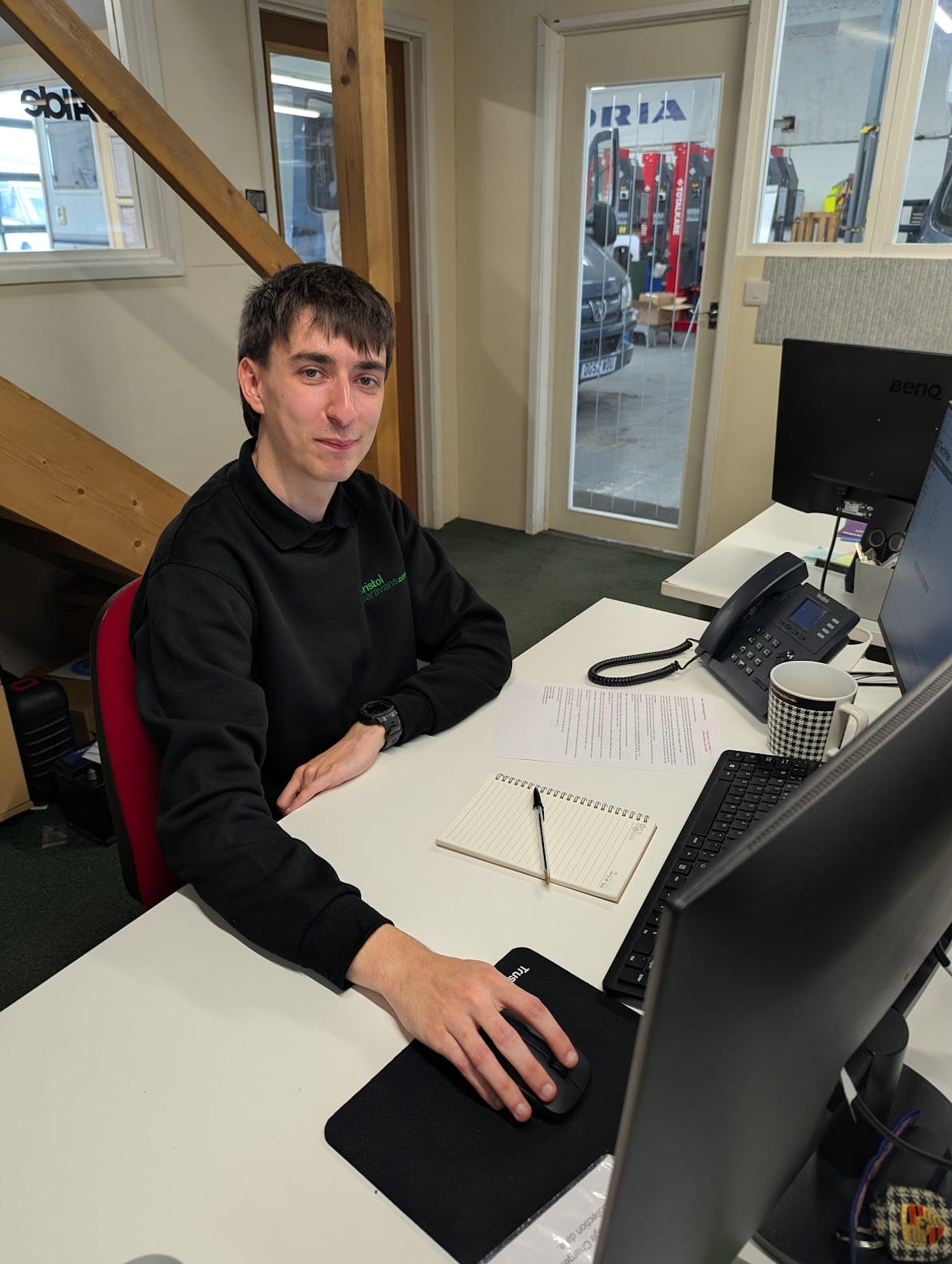
Our Team
Welcome to the team here at Bristol Caravans and Motorhomes. We’re really proud of the team, and over the years it’s been our pleasure to provide advice and services to our ever-growing loyal customers.
Thank you for trusting us with your investment.
“We arrived at Llanfyllin, and it was raining so hard it was difficult to find our plot. Once parked up, it took just 90 seconds as we let our automatic levelling system get us level. Thank you, Bristol Caravans, for fitting our amazing levelling system.”
Jake and Carol Smith