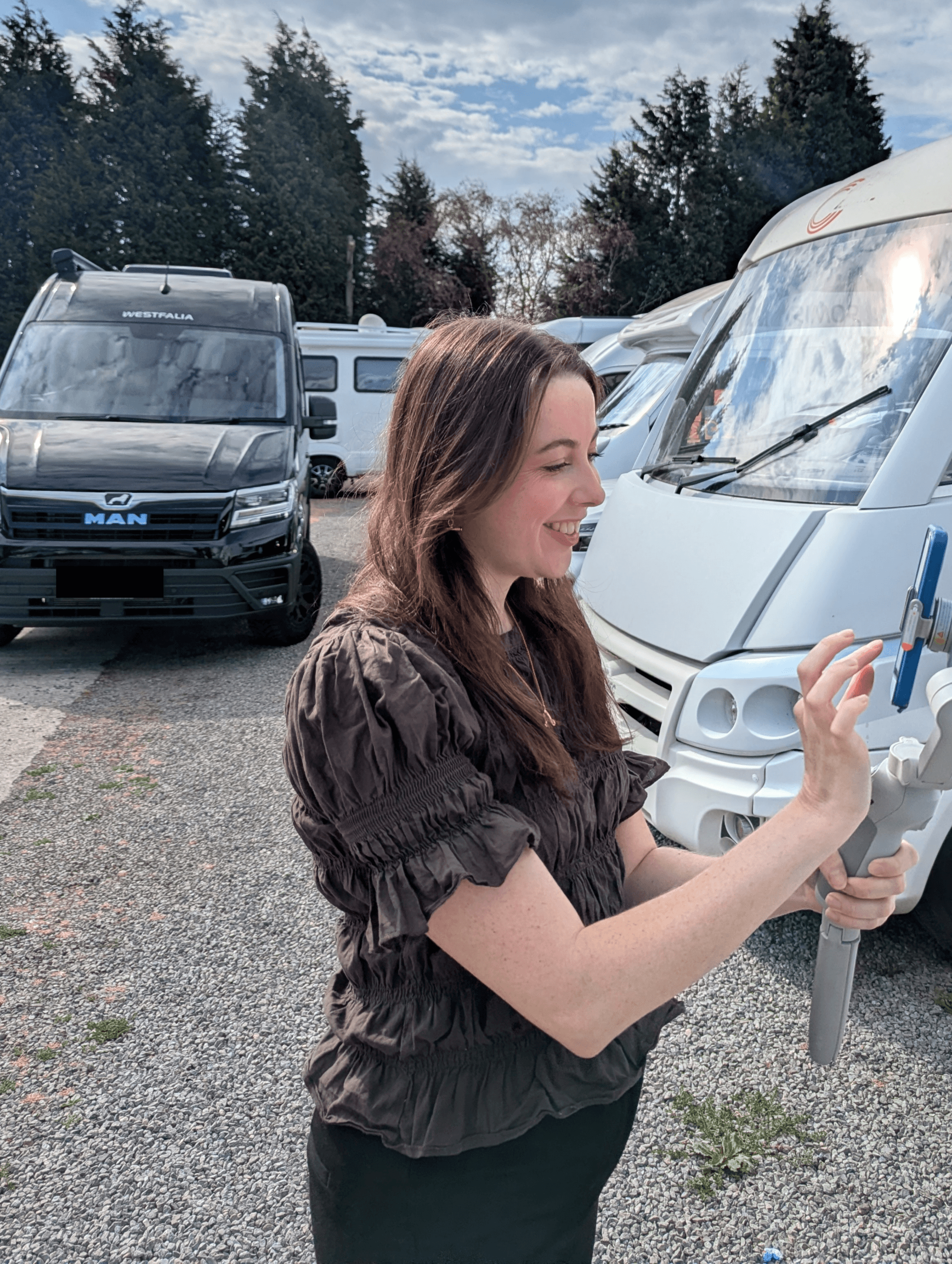
"Our motorhome was level in just 90 seconds"
Motorhome Levelling systems
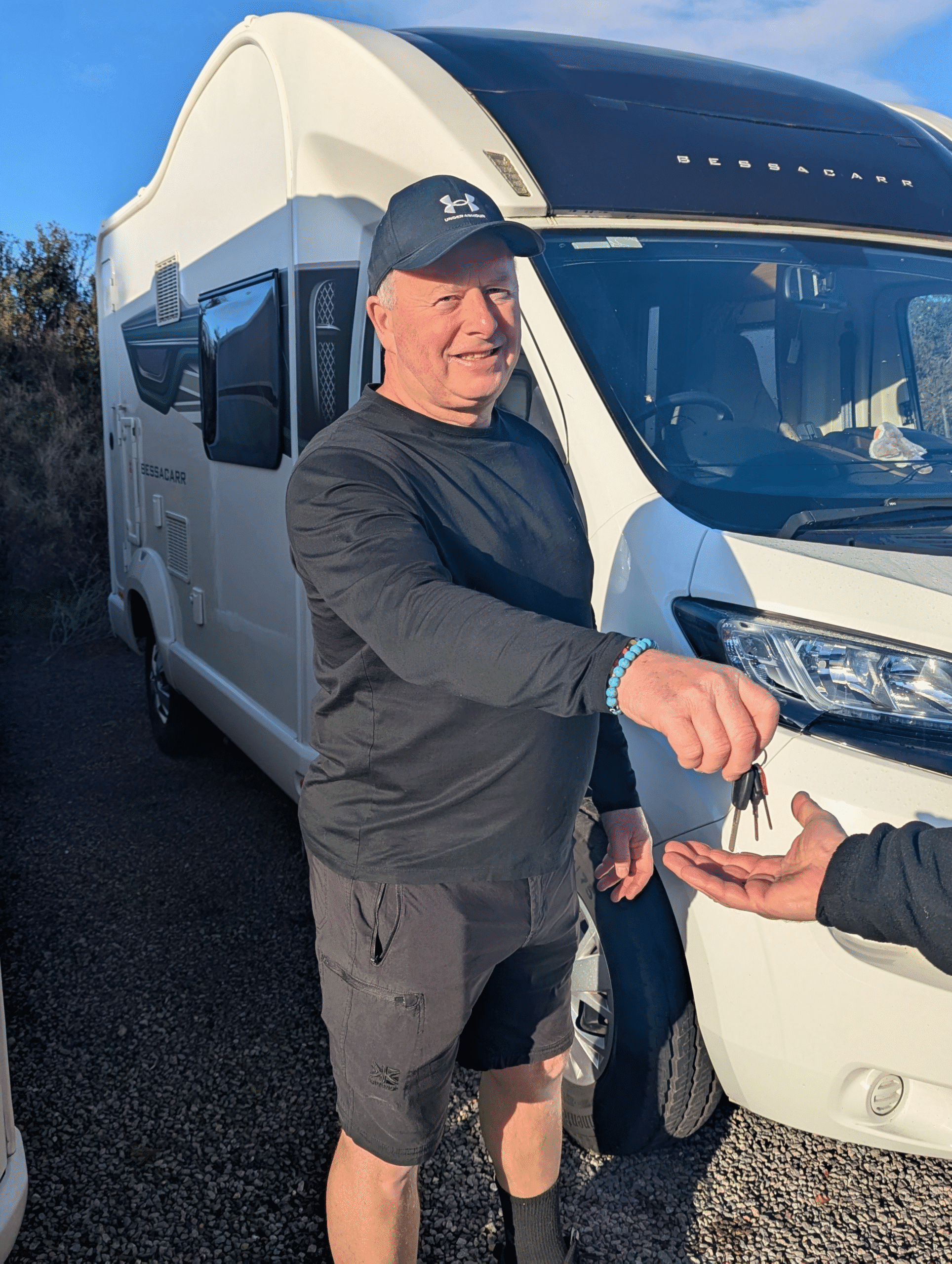
You’ve arrived on site or wild camp location – it’s so beautiful, but wait… we’re on a bit of a slope and it’s just started to rain. No problem, we’ve got our self-levelling system. And just 90 seconds later, our motorhome is level. Time to get a cuppa on?
- 5 Year Guarantee*'
- Free personal on-site assessment
- Free overnight stay*
- FREE Levelling Comparison sheet HERE
- Conveniently located near Junction 16 of the M5- Directions HERE
*T&Cs Apply
‘Some brands are 2 years, some 3. We are offer 5 years on Amplo
Want a quick quote for your vehicle?
Automatic levelling systems FAQs
What kinds of levelling systems are there?
We supply a range of different systems, and our technicians will gladly help you choose.
What kinds of levelling systems are there?
We supply a range of different systems, and our technicians will gladly help you choose.When it comes to enhancing your motorhome camping experience, self-levelling systems are a game-changer. These innovative systems ensure your motorhome remains stable and level on uneven ground, providing comfort, safety, and convenience.
But what kinds of levelling systems are available? Below, we explore the main types of motorhome self-levelling systems, their features, and the benefits they offer to help you choose the right one for your adventures.
1. Hydraulic Levelling Systems
Hydraulic levelling systems are a popular choice among motorhome and campervan owners who value fast, reliable, and robust levelling. These systems use hydraulic jacks—typically four—mounted to the vehicle’s chassis. Popular compatible motorhome chassis include Fiat, Peugeot, Ford, Citroën, Iveco, Mercedes, MAN, VW, Renault, and more. The jacks automatically adjust the motorhome’s height and angle, achieving a level position in under two minutes.
Key Features:
- Automatic Operation: With the press of a button, systems like Amplo, E&P, and MA-VE level your motorhome quickly and effortlessly—no more muddy knees.
- High Lifting Capacity: Each jack supports substantial weight. For example, Amplo jacks handle up to 1,950kg per leg, suitable for both large and small motorhomes.
- Enhanced Stability: Eliminates rocking from wind or movement, ensuring a stable, comfortable environment for sleeping, cooking, and relaxing.
- Manual Override: Most systems, including MA-VE, offer manual control for precise adjustment or emergency use.
- Safety Features: Built-in safeguards prevent operation while driving. These include auto-retraction and audible alarms if the handbrake is released while jacks are deployed.
Benefits:
- Excellent for off-grid camping due to higher lifting range, suitable for steeper inclines.
- Discreet under-chassis installation preserves interior space.
- Useful extras: tank drainage, tyre protection during storage, and tyre changing assistance.
Popular Brands:
- E&P: Known for intuitive touchscreen controls.
- Amplo: Rugged systems with anti-theft keypad protection.
- MA-VE: Fully automatic, user-friendly systems with mobile app integration.
2. Electromechanical Levelling Systems
Electromechanical systems, such as the TESA AutoLift 4, use electric motors to power levelling jacks. They are generally lighter and more affordable than hydraulic systems—making them ideal for smaller motorhomes and campervans.
Key Features:
- Lower Power Consumption: TESA AutoLift draws just 12–24A, significantly less than hydraulic systems (30–70A), which helps preserve battery life.
- Lightweight: Weighs around 65kg including brackets—important when managing payload.
- Automatic and Manual Modes: Offers one-button levelling, as well as manual control via a panel or remote.
Benefits:
- Best suited for standard campsites with moderate slopes—levelling within the range of the vehicle’s suspension.
- Battery-friendly with very low power draw (approx. 1Ah per levelling cycle).
- More cost-effective than hydraulic alternatives.
Popular Brands:
- TESA AutoLift 4: Reliable and widely used across Europe. Suitable for motorhomes up to 5,000kg.
Why Invest in a Motorhome Self-Levelling System?
Self-levelling systems eliminate the hassle of ramps and chocks, offering unmatched comfort and convenience. They reduce problems such as poor sleep, uneven cooking surfaces, appliance issues, and slow shower drainage.
Additional benefits include easier tyre changes, theft deterrence, and tank drainage, making them a valuable upgrade for frequent travellers.
Ready to upgrade your motorhome?
Contact a trusted installer like Bristol Caravans for a free assessment and tailored recommendations.
Enjoy stress-free camping with a perfectly level motorhome—at the touch of a button.
Note: All systems mentioned are transferable to new vehicles as long as the chassis type is the same, adding long-term value to your investment.
How long does a motorhome levelling system take to fit?
Typically, a system takes 2 days to fit and we’ll provide a free overnight stay on our late pitch with electric hook-up
How long does a motorhome levelling system take to fit?
Typically, a system takes 2 days to fit and we’ll provide a free overnight stay on our late pitch with electric hook-upFor many UK motorhome owners—especially those aged 50–75 enjoying retirement—the freedom of exploring the countryside in a Fiat Ducato, Mercedes Sprinter, Ford Transit or VW Crafter-based motorhome is unbeatable. But parking on uneven pitches can be frustrating without an automatic levelling system.
One common question we hear is:
How long does it take to install a motorhome levelling system?
As an approved installer, Bristol Caravans understands the need for reliability, efficiency, and minimal disruption. This guide explores installation times, influencing factors, and why choosing an experienced installer like us can make all the difference.
Installation Time: What to Expect
The time required depends on the type of system, the motorhome chassis, and the complexity of the installation.
Hydraulic Systems
Hydraulic options require more time due to their robust nature and components.
- AL-KO / E&P Hydraulics: Typically takes 10–14 hours (1–2 days). This includes installing four jacks, a hydraulic pump, and all control wiring.
- MA-VE: Averages 8–12 hours with pre-fabricated brackets suited for Ford, Fiat, and Mercedes chassis.
- Amplo: Installs in 8–10 hours. These high-capacity systems require detailed electrical wiring for their safety features.
Electromechanical Systems
Simpler in design, these take less time and suit customers looking for minimal downtime.
- TESA AutoLift: Installations usually take 6–8 hours and are often completed in one day. Pre-assembled components help speed up the process.
Customer Insights
Real-world experiences from UK customers reflect the efficiency of Bristol Caravans:
- A retired couple reported their MA-VE system was fitted in just 12 hours over two days with a full handover.
- Another owner praised a TESA AutoLift install completed in 6 hours, allowing them to head straight to the Cotswolds.
Why Installation Time Matters
For motorhome owners, time is valuable. Delays can impact travel plans, visits, or seasonal getaways. Here’s why time matters:
- Cost Implications: Labour charges are linked to install time—14 hours for E&P costs more than 6 hours for TESA.
- Efficiency: Our streamlined scheduling helps keep your installation on time and on budget.
- Convenience: One-day installs get you back on the road quickly—whether for a weekend in the Peak District or a longer trip to Scotland.
Why Choose Bristol Caravans
As an approved installer for E&P, MA-VE, AL-KO, Amplo, and TESA, we offer unmatched expertise for UK-specific motorhomes.
- Comprehensive Service: We offer full handovers, covering controls, safety features, and long-term care tips.
- One-Stop Shop: In addition to levelling systems, we provide habitation servicing, engine & chassis work, bolt-ons, and repairs.
- Trusted by Customers: With consistent 5-star reviews on Google and Trustpilot, we’re known for professionalism and punctuality.
Factors That Influence Installation Time
Every motorhome is different. These factors can affect how long your levelling system takes to fit:
- Chassis Complexity: AL-KO or air suspension models may require custom mounts, adding 2–4 hours.
- System Features: Advanced hydraulic systems with auto-retract or app control take longer to wire.
- Vehicle Age: Older vehicles may need extra checks for rust or chassis wear, which can extend time by 1–2 hours.
- Installer Efficiency: Our dedicated technicians and pre-fabricated kits help us deliver on schedule.
Tips for a Smooth Installation
Maximise your time and minimise disruption with the following:
- Confirm Compatibility: Ensure your chassis and weight rating match the levelling system. Bristol Caravans offers free pre-assessments.
- Book in Advance: Peak season (Feb–Sep) fills up quickly. Secure your slot early.
- Ask for a Quote: Get a detailed cost and time breakdown so you know what to expect.
- Choose the Right Installer: Book with Bristol Caravans to ensure expert fitting and support from a trusted UK team.
Conclusion
Fitting a motorhome levelling system is one of the best upgrades for hassle-free camping. Installation time varies depending on system type and vehicle setup, but with the right installer, it’s a smooth and worthwhile process.
At Bristol Caravans, we pride ourselves on expert installation, clear communication, and reliable scheduling—so you can return to your adventures, levelled and ready, from Cornwall to the Highlands.
Ready to book?
Visit BristolCaravans.com for a tailored quote and trusted installation.
How often should a motorhome levelling system be serviced?
Once a year, with a full fluid change at year 5. Prices start from £126 / year.
How often should a motorhome levelling system be serviced?
Once a year, with a full fluid change at year 5. Prices start from £126 / year.For UK motorhome owners who want to avoid breakdowns and enjoy worry-free travel, a common question is:
How often should my motorhome levelling system be serviced?
As an approved levelling system installer, Bristol Caravans offers this expert guide to help you maintain your system and keep your adventures on track.
Recommended Servicing Frequency
The ideal servicing schedule depends on the type of system you have—hydraulic or electromechanical—plus how often you travel and the manufacturer’s guidelines.
Hydraulic Systems
(E&P, MA-VE, AL-KO, Amplo)
Hydraulic systems are known for reliability but benefit greatly from regular checks:
- Annual servicing recommended: Most manufacturers advise a professional check every 12 months.
- Checks include: Hydraulic fluid levels, chrome rod corrosion, pump operation, and any fault codes in the software.
- User experience: One MA-VE user serviced annually by Bristol Caravans has reported no issues after four years. Another AL-KO owner servicing every two years noted perfect performance even on tough terrain.
Electromechanical Systems
(TESA AutoLift)
These systems are simpler in design and require fewer components, but they still benefit from regular attention:
- Annual checks advised: Inspect for loose bolts, motor wear, or wiring issues.
- User feedback: A retired couple on MotorhomeFun said their TESA system remained “faultless” with yearly servicing by Bristol Caravans during trips across Cornwall.
Why Regular Servicing Matters
Proper maintenance ensures your system stays dependable, safe, and cost-effective:
- Reliability: Prevent issues like hydraulic leaks, faulty motors, or faulty jacks before they happen.
- Safety: Features such as Amplo’s handbrake alarms rely on properly calibrated sensors checked during servicing.
- Cost Savings: Annual servicing starts from just £126. Replacing pumps or jacks due to neglect can cost over £1,000.
- Warranty Compliance: Brands such as Amplo and MA-VE require servicing to maintain warranty cover.
Tips for UK Motorhome Owners
To keep your system performing at its best, follow these tips:
- Arrange Annual Checks: Inspect jacks for corrosion, check hydraulic fluid, and test wiring—especially after salty coastal trips.
- Choose an Approved Installer: Bristol Caravans is trusted to service E&P, MA-VE, AL-KO, Amplo, and TESA systems across caravans, motorhomes, and campervans.
- Book in Winter: Avoid delays by scheduling during the quieter off-season—your system will be ready for spring and summer trips.
Conclusion
For UK motorhome owners, annual servicing of your levelling system—whether hydraulic or electromechanical—is essential to maintain performance and avoid costly issues.
Bristol Caravans offers trusted, expert servicing for all major systems, keeping your motorhome ready for adventure, from Devon’s coast to the Highlands of Scotland.
Book your service today:
BristolCaravans.com
How much does a motorhome levelling system weigh?
Lightest system 50KG, Heaviest levelling system 68KG
How much does a motorhome levelling system weigh?
Lightest system 50KG, Heaviest levelling system 68KGWeight of Motorhome Levelling Systems
The weight of a levelling system varies by type (hydraulic or electromechanical) and brand. Below is a breakdown based on insights from manufacturers and UK motorhome communities:
Hydraulic Systems (E&P Hydraulics, MA-VE, AL-KO, Amplo)
Hydraulic systems, designed for robust performance on UK camp sites and off-grid, are heavier due to their pumps and jacks.
- E&P Hydraulics: Approximately 50–65kg, depending on the model and chassis (e.g., Fiat Ducato or AL-KO). Suitable for motorhomes up to 7,500kg.
- MA-VE: Around 55–60kg, tailored for platforms from Ford & Mercedes.
- AL-KO: Typically 50–60kg, designed for heavy-duty motorhomes, balancing strength and payload impact.
- Amplo: Weighs 50–65kg, with security features like pin number pad.
Example: A MotorhomeFun user reported their E&P system, installed by Bristol Caravans, added 60kg to a Fiat Ducato but noted removing manual ramps (10–15kg) offset some weight.
Electromechanical Systems (TESA AutoLift)
Electromechanical systems are lighter, ideal for campervans or owners prioritising payload.
- TESA AutoLift: Approximately 40–45kg, making it a popular choice for VW Crafter owners. Its simpler design reduces weight without sacrificing functionality on moderate terrains.
Example: A retired couple on Out and About Live praised their TESA system, fitted by Bristol Caravans, for adding only 42kg, preserving payload for their trips.
Why Weight Matters for UK Owners
For retirees with high-end motorhomes, system weight impacts:
- Payload Compliance: UK regulations limit motorhome payloads (e.g. 3,500kg for standard licenses). A 60kg reduced payload is equal to approx. 15 deck chairs — a critical consideration for owners carrying extra gear.
- Fuel Efficiency: Added weight slightly increases fuel consumption, a concern for long tours across Scotland or Cornwall.
- Chassis Compatibility: Heavier vehicles require robust levelling, which Bristol Caravans assesses to ensure safe installation.
- Mitigation: Removing manual ramps (10–15kg) and choosing a system matched to your vehicle’s payload (e.g., TESA for lighter models) minimises impact. Bristol Caravans provides free consultations to optimise system choice.
Conclusion
Motorhome levelling systems weigh 40–45kg for electromechanical options or 50–65kg for hydraulic systems. For UK owners, selecting the right system ensures comfort without compromising payload.
Bristol Caravans, an approved installer for these brands, offers expert guidance to match your motorhome’s needs.
Visit BristolCaravans.com
Price for Installation- Bristol
From
£5,750
Related Services
Our Team
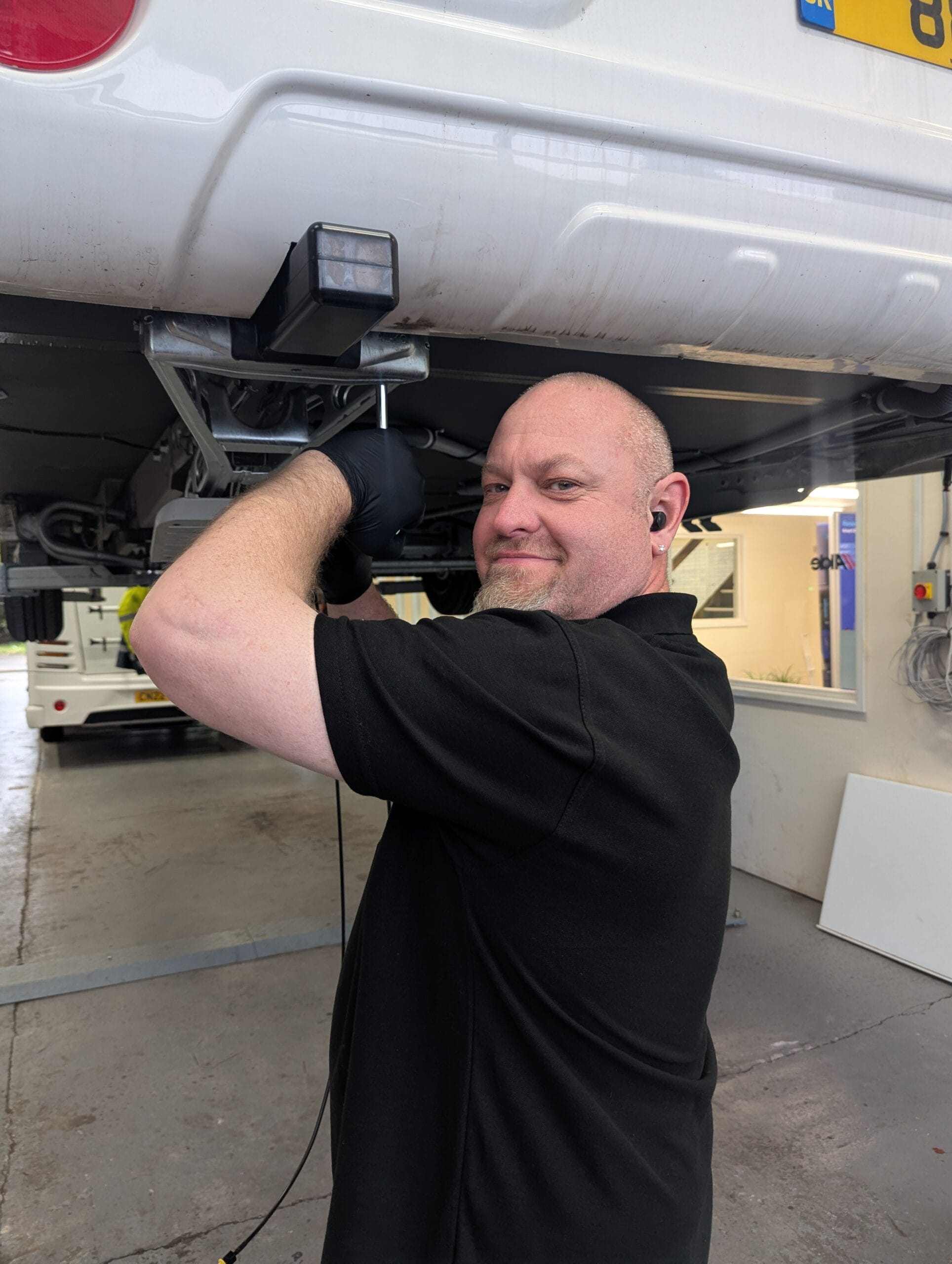
Welcome to the team here at Bristol Caravans and Motorhomes. We’re really proud of the team, and over the years it’s been our pleasure to provide advice and services to our ever-growing loyal customers.
Thank you for trusting us with your investment.