The cambelt is one of those “out of sight, out of mind” components, until something goes wrong. Unfortunately, a failed cambelt can cause some of the most serious and expensive engine damage possible.
Understanding how a cambelt works, the warning signs of failure, and when to replace it could save you thousands in repair costs and prevent your holiday plans from coming to a sudden stop.
What Does a Cambelt Do?
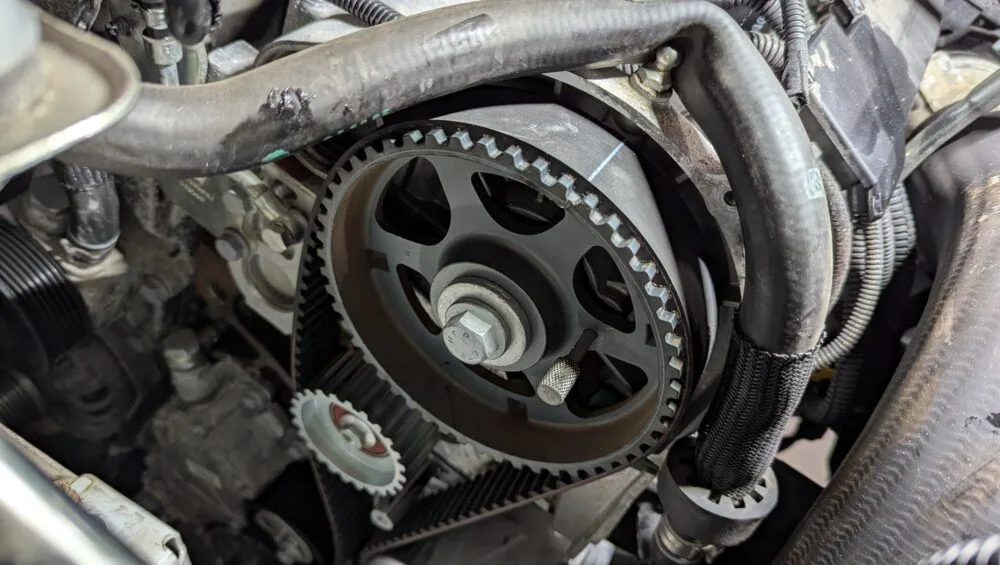
A cambelt (also known as a timing belt) keeps your engine’s camshaft and crankshaft perfectly synchronised. This ensures the engine valves open and close at exactly the right moment while the pistons move up and down.
In most modern motorhomes and campervans, including popular Fiat Ducato-based models the engine is what mechanics call an “interference engine.” That means if the cambelt snaps, the internal engine components can collide almost instantly.
What Happens When a Cambelt Fails?
If a cambelt breaks while driving, the engine will usually stop immediately. In many cases, the pistons continue moving for a split second and strike the valves, causing severe internal damage.
This can result in:
- Bent or broken valves
- Damaged pistons
- Cracked cylinder heads
- Camshaft damage
- Complete engine failure
Repair bills can quickly run into the thousands and in severe cases, a full engine replacement may be required.
For motorhome owners, this can be even more disruptive than for everyday drivers. A breakdown abroad or during a touring holiday can leave you stranded and facing major recovery costs.
Common Warning Signs of Cambelt Problems
Cambelts do not always fail without warning. Some common symptoms include:
- Ticking or rattling noises from the engine
- Difficulty starting the vehicle
- Engine misfires or rough idling
- Loss of power during acceleration
- Excessive exhaust smoke
- Warning lights appearing on the dashboard
If you notice any of these signs, it’s important to have your vehicle inspected as soon as possible.
When Should a Motorhome Cambelt Be Replaced?
Cambelt replacement intervals vary depending on the manufacturer and engine type. Many vehicles require replacement between 60,000 and 100,000 miles, or every 5–7 years, even if the mileage is low.
This is particularly important for motorhomes, which are often used less frequently and may spend long periods parked up. Rubber belts naturally deteriorate with age, regardless of mileage.
Preventative Maintenance Is Always Cheaper
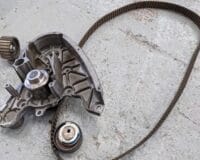
Replacing a cambelt may feel like an expensive maintenance job,but it is far cheaper than replacing or rebuilding an engine after failure. Many specialists also recommend replacing the water pump and tensioners at the same time, as these components can contribute to belt failure if worn.
Before setting off on a long touring holiday, checking your cambelt service history is one of the smartest preventative steps you can take.
Final Thoughts
A cambelt may be a relatively small component but it plays a critical role in protecting your motorhome’s engine. Ignoring replacement intervals or warning signs can lead to catastrophic damage, costly repairs, and ruined travel plans.
Regular servicing and timely cambelt replacement help keep your motorhome reliable, safe and ready for the road ahead.
👉 Book for your assessment today: contact us
📞 01454 612 893 | 📧 service@bristolcaravans.com