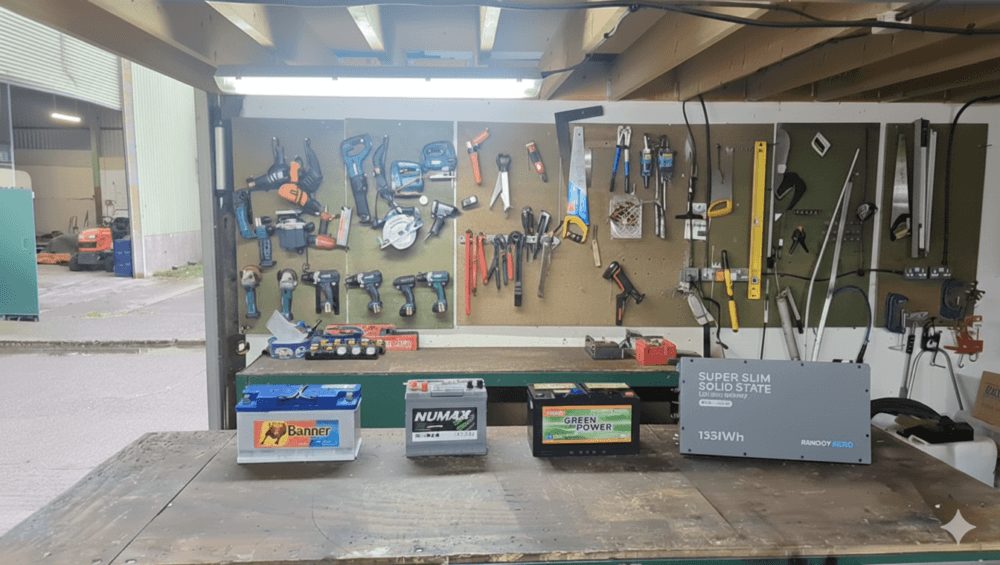
Choosing the right motorhome battery is essential for reliable power on the road. The battery you select impacts how long you can run appliances, charging times and the lifespan of your electrical system. In this guide, we compare AGM, lithium and lead-acid batteries, helping you find the best option for your motorhome or campervan.
What Are the Main Types of Motorhome Batteries?
The three main types of motorhome batteries are:
- Lead Acid Batteries (traditional/flooded)
- AGM Batteries (Absorbent Glass Mat)
- Lithium Batteries (Lithium Iron Phosphate)
Each type has unique benefits and drawbacks depending on your travel style, power needs and budget.
1. Lead Acid Motorhome Batteries
Lead-acid batteries are the classic choice for motorhomes. They use liquid electrolyte and require regular maintenance to maintain performance.
Key Features:
- Affordable and widely available
- Requires water top-up and proper ventilation
- Suitable for light to moderate energy demands
Pros:
- Low upfront cost
- Simple, proven technology
- Ideal for occasional motorhome use
Cons:
- Heavy and bulky
- Limited cycle life (200–400 cycles)
- Requires regular maintenance
Best For: Motorhome owners on a budget or who use their vehicle occasionally.
2. AGM Motorhome Batteries
AGM batteries are sealed lead-acid batteries with a fiberglass mat that absorbs the electrolyte. They are maintenance-free and more durable than traditional lead-acid batteries.
Key Features:
- Sealed and spill-proof
- Performs well in cold weather
- Easy to install indoors
Pros:
- Low maintenance
- Reliable and widely available
- Tolerates irregular charging
Cons:
- Heavier than lithium batteries
- Slower charging speed
- Cycle life of 300–500 cycles
Best For: Motorhome owners who want reliable, maintenance-free power without the higher cost of lithium.
3. Lithium Motorhome Batteries
Lithium batteries are becoming the top choice for modern motorhomes. They are lightweight, long-lasting and allow deeper discharges without damage.
Key Features:
- High energy density, lightweight and compact
- Deep cycling capability (80–90% depth of discharge)
- Built-in Battery Management System (BMS) for safety
Pros:
- Fast charging
- Long lifespan (2000–5000 cycles)
- Lightweight, saves vehicle weight
- Low maintenance
Cons:
- Higher upfront cost
- Requires compatible charger or solar system
Best For: Frequent travelers, those with multiple appliances, or owners carrying heavier loads like e-bikes.
Quick Comparison: Lead Acid vs AGM vs Lithium:
| Feature | Lead Acid | AGM | Lithium |
|---|---|---|---|
| Maintenance | High | Low | Very Low |
| Weight | Heavy | Heavy | Light |
| Lifespan (Cycles) | 200–400 | 300–500 | 2000–5000 |
| Cost | Low | Medium | High |
| Depth of Discharge | 50% | 50% | 80–90% |
| Charging Speed | Slow | Moderate | Fast |
| Cold Weather Performance | Moderate | Good | Good |
Click HERE for more information
How to Choose the Best Battery
When deciding on a motorhome battery, consider:
- Energy requirements: Number of appliances and usage frequency
- Budget: Upfront cost versus long-term value
- Weight limitations: Especially important for campervans
- Maintenance preferences: Do you want “fit and forget” power?
- Frequency of use: Frequent travelers benefit most from lithium batteries
Final Thoughts
The right battery type can make a huge difference in your motorhome experience:
- Lead Acid: Budget-friendly, low-tech, good for occasional use
- AGM: Reliable, low maintenance, moderate cost
- Lithium: Lightweight, fast-charging, long-lasting, ideal for heavy users
For frequent travelers or owners using multiple appliances, investing in a lithium battery often pays off in convenience and longevity.