When it comes to caravan safety, most owners focus on tyres, brakes and electrics but there’s a hidden danger that often goes overlooked: carbon monoxide.
Known as the “silent killer,” carbon monoxide (CO) is a colourless, odourless gas that can be fatal in minutes. And in the confined space of a caravan, the risks are even greater. That’s why regular CO testing isn’t just recommended, it’s essential.
What Is CO Testing?
CO testing is the process of checking your vehicles appliances and ventilation systems to ensure they are not producing or leaking dangerous levels of carbon monoxide.
This typically involves:
- Inspecting gas appliances like heaters, cookers and boilers
- Measuring CO levels using specialist detection equipment
- Checking flues, vents and airflow systems
It goes beyond simply having a CO alarm, it ensures the source of potential danger is properly controlled.
Why CO Testing Matters in leisure vehicles
1. Enclosed Living Space
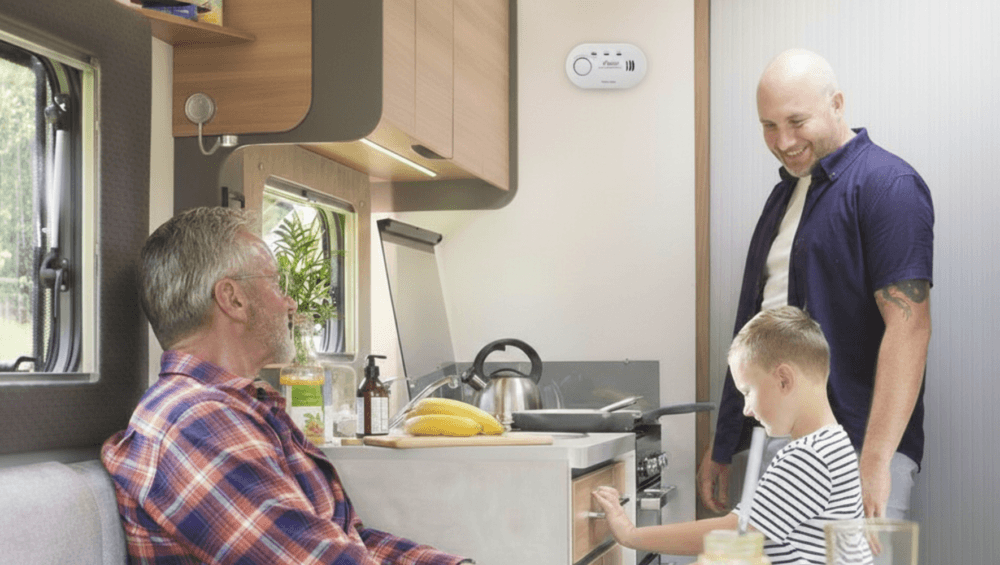
motorhomes have limited ventilation compared to homes, which means CO can build up quickly if there’s a fault.
2. Gas Appliance Usage
From heating to cooking, they rely heavily on gas-powered systems, one of the main sources of carbon monoxide.
3. Seasonal Storage Risks
After months of inactivity, appliances may develop faults, blockages or leaks that go unnoticed without proper testing.
Common Causes of Carbon Monoxide in Caravans
- Poorly maintained gas appliances
- Blocked or damaged flues
- Inadequate ventilation
- Faulty installation or repairs
- Using appliances in unintended ways (e.g. heating with a cooker)
Regular CO testing helps identify these risks before they become dangerous.
CO Testing vs CO Alarms: What’s the Difference?
A CO alarm is essential but it’s only part of the solution.
- CO Alarm: Alerts you when dangerous gas is already present
- CO Testing: Prevents the situation from happening in the first place
Think of testing as prevention, and alarms as emergency response. You need both for full protection.
How Often Should You Carry Out CO Testing?
Experts recommend:
- At least once a year
- Before the start of each touring season
- After any appliance installation or repair
- If your vehicle has been in storage for a long period
Routine checks can make the difference between a safe trip and a serious incident.
Signs You Should Never Ignore
While carbon monoxide itself is undetectable without equipment, warning signs can include:
- Yellow or flickering flames instead of blue
- Soot build-up around appliances
- Unusual condensation inside the caravan
- Pilot lights frequently going out
If you notice any of these, stop using the appliance immediately and arrange a CO test.
Should You Test CO Yourself or Call a Professional?
Basic safety checks can be done yourself but a full CO test should always be carried out by a qualified professional with the right equipment.
Professional testing ensures:
- Accurate CO level readings
- Compliance with UK safety standards
- Thorough inspection of all potential risk points
Cutting corners here simply isn’t worth the risk.
Final Thoughts
Holidays are meant to be relaxing but safety should always come first. Carbon monoxide is one of the few risks you won’t see coming, which makes proactive testing absolutely critical.
By making CO testing part of your regular maintenance routine, you’re not just protecting your investment, you’re protecting lives.
👉 Book for your assessment today: contact us
📞 01454 612 893 | 📧 service@bristolcaravans.com