Damp is one of the most common and dreaded problems motorhome owners face. Left untreated, it can lead to structural damage, costly repairs, and even health issues. The key to avoiding serious damp problems is early detection but how can you tell if your motorhome has damp before it becomes a major issue?
In this article, we’ll take a detailed look at the signs of dampness, the tools you can use to detect it, common problem areas, and how to deal with it early to avoid long-term consequences. Whether you’re a seasoned motorhome owner or just starting out, knowing how to identify dampness is essential for protecting your investment and enjoying stress-free travel.
Why Damp in Motorhomes Is a Big Deal
Damp is caused by moisture entering the structure of your motorhome, often through damaged seals, poor ventilation, or condensation. Over time, that moisture can lead to rot, mold, and warping in the wood and insulation hidden behind the walls and under the floor. Because most of this damage happens out of sight, you may not notice it until it’s already well advanced.
Early detection is crucial. The sooner you identify signs of damp, the easier and cheaper it is to fix. Once damp has taken hold, repairs can become extensive and expensive, sometimes even exceeding the value of the vehicle itself.
1. Look for Visual Signs of Damp
Your eyes can be your first line of defense. Regularly inspect the inside of your motorhome, especially around windows, doors, skylights, and vents as these are the most common entry pYour eyes can be your first line of defense. Regularly inspect the inside of your motorhome, focusing on areas around windows, doors, skylights, and vents—these are the most common entry points for water. Watch for signs such as staining or discoloration on walls or ceilings, which may appear as brown or yellow patches that slowly spread over time. Peeling wallpaper or bubbling paint, especially in corners or near seams, can also indicate moisture problems. Black mold spots are a clear warning sign of ongoing water issues.
Additional red flags include warped or bowed panels, particularly near the floor or roof, and wall surfaces that feel soft or spongy when pressed. In many cases, damage will be most noticeable in areas exposed to the outside or lacking proper airflow. Make it a habit to check less visible spots such as inside cupboards, under sinks, behind cushions, and beneath mattresses to catch issues early and prevent more serious problems.
2. Use Your Nose: The Smell Test
Smell is one of the easiest and most reliable ways to detect dampness. A musty, earthy odor is usually the first indicator that moisture has found its way into your motorhome.
If you notice this smell after the vehicle has been closed up for a while, pay attention to where it’s strongest. Even if you don’t see any visual signs of dampness, a persistent musty odor means you should investigate further.
Tip: For a deeper understanding of signs of damp and how to spot them visually and by smell, this video guide on detecting damp in motorhomes is a helpful visual reference.
3. Feel for Temperature and Texture Changes
Your hands can tell you a lot. When running your fingers along a wall or ceiling, watch out for areas that feel:
- Cold to the touch (moisture conducts heat differently)
- Soft, spongy, or swollen, especially near windows or roof lights
- Slightly damp or sticky, particularly during cold or humid weather
Check window sills, skylight surrounds, and the corners of your walls where water might collect or seep in.
4. Use a Moisture Meter
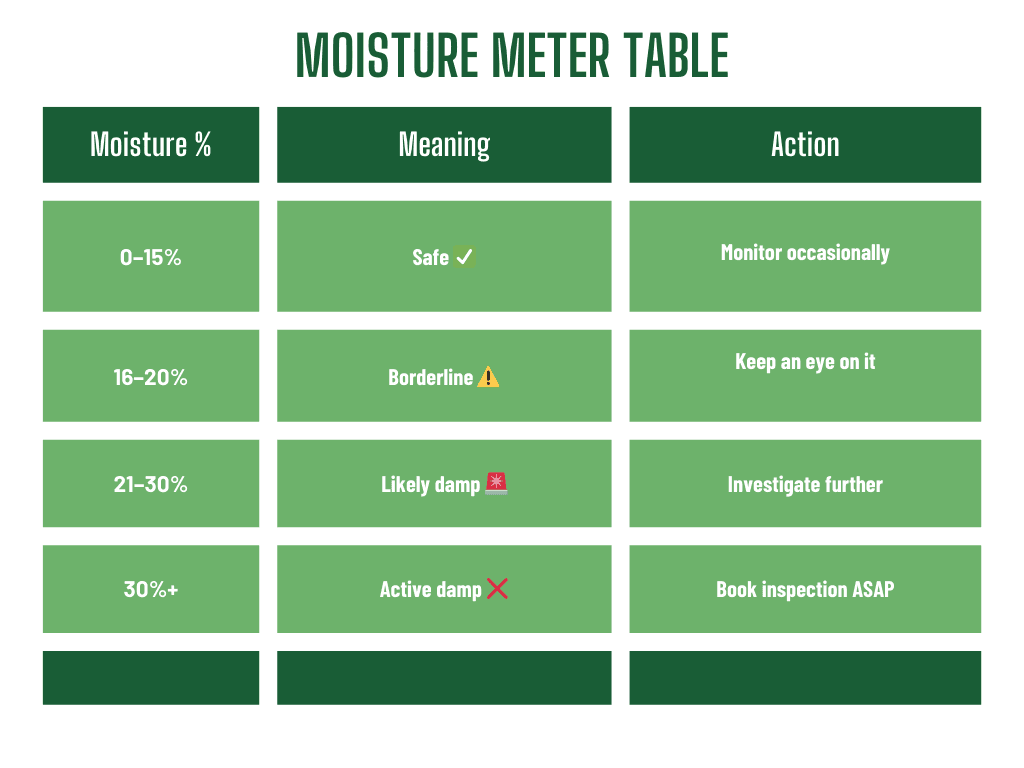
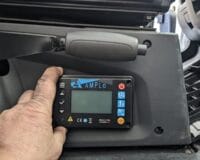
For a more accurate diagnosis, a moisture meter is an essential tool for any motorhome owner. These handheld devices measure the percentage of moisture present in a surface, and they can detect hidden damp long before it’s visible or can be felt.
To use one:
- Turn the device on and press it against the wall or surface.
- A reading between 0–15% is typically safe.
- 16–20% is borderline and should be monitored closely.
- Over 20% suggests a potential damp problem.
- Over 30% is almost certainly an active damp issue that requires immediate attention.
Moisture meters are available online or at most DIY stores and are a worthwhile investment, especially if you’re inspecting a second-hand motorhome before purchase.
5. Pay Attention After Heavy Rain
One of the best times to inspect your motorhome for dampness is shortly after heavy rain. This is when any leaks or compromised seals will reveal themselves. Go inside and:
- Check for drips or damp patches under windows and roof lights.
- Look along seams, corners, and under roof panels for any changes in texture or color.
- Listen for dripping or trickling sounds behind panels.
If your vehicle has been in storage, especially over the winter, be extra vigilant. This winter motorhome and caravan care guide includes useful tips on preventing and spotting post-storage damp issues.
6. Common Damp Hotspots in Motorhomes
Damp tends to show up in specific areas first. When checking your motorhome, focus on these common trouble spots:
- Window frames – the seals can break down over time.
- Roof lights and skylights – often subject to movement and UV damage.
- Door seals – particularly the main habitation door and locker doors.
- Around vents and appliances – like fridges or extractor fans.
- Underneath beds or seats – low ventilation = higher moisture retention.
- Bathroom/shower area – constant exposure to steam and splashes.
Make these part of your regular inspection routine, especially after travel or during seasonal changes.
7. What to Do If You Suspect Damp
If you’ve spotted any signs of damp that are visible, tactile, or through odor- the next step is to identify the source. This might mean:
- Removing trim panels or vent covers to check behind.
- Testing multiple areas with a moisture meter.
- Re-sealing suspect windows, doors, or joints with quality sealant.
If the damage appears moderate to severe (e.g. crumbling wood, visible mold, or high moisture readings across large areas), it’s best to call in a professional for a full damp inspection and damage assessment.
For thorough inspections and expert servicing, consider a professional motorhome habitation service, which checks for damp, safety, and structural issues.
In some cases, the motorhome may need to be stripped back and repaired internally, especially if rot has taken hold.
Final Thoughts
So, how can you tell if your motorhome is damp? By combining your senses with the right tools and a proactive inspection routine, you can spot dampness early and take action before it leads to serious damage.
Regular checks, especially after rain or before and after winter storage, are your best defense. Use a moisture meter, pay attention to smells and textures, and don’t ignore small signs like stains or soft walls.
Damp doesn’t have to be the end of the road for your motorhome, but early detection makes all the difference. Keep an eye out and keep your travels dry.