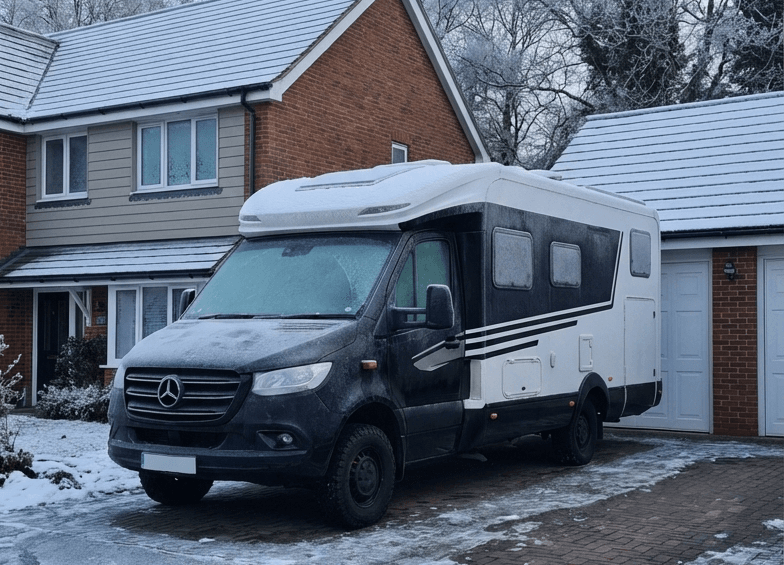
For many motorhome enthusiasts, the joy of travel doesn’t end when the weather turns colder. Touring earlier in the year can offer quieter roads, less crowded campsites and beautiful scenic views in the crisp winter air. However, colder temperatures bring unique challenges, especially when it comes to cold starts. If you plan on hitting the road in the early spring or autumn months, your motorhome needs to be fully prepared to handle these colder starts. Here’s a guide to get you ready:
1. Battery Performance: Cold Weather’s Worst Enemy
One of the most significant challenges for your motorhome in cold weather is the battery. As temperatures drop, your battery’s efficiency can decrease dramatically. In freezing conditions, a standard lead-acid battery may struggle to hold a charge or even fail to start the engine.
What you can do:
- Invest in a good-quality battery: Consider upgrading to a AGM (Absorbent Glass Mat) or Lithium battery. These are better suited for handling temperature fluctuations and tend to perform better in cold weather.
- Keep it charged: Make sure your battery is fully charged before a cold start. You may also want to keep a portable charger or jump starter kit on hand just in case.
- Insulate the battery: Use battery blankets or insulating pads to help keep the cold at bay.
🔗 Compare battery types: How to Choose Battery for Van Life: AGM vs Lithium – https://uk.litime.com/blogs/news/how-to-choose-battery-for-van-life-agm-vs-lithium (discusses performance differences and temperature tolerance)
2. Engine Fluids: Keep Everything Flowing Smoothly
Cold weather affects more than just your battery; it also impacts engine fluids like oil and coolant. When temperatures drop these fluids thicken, making it harder for your engine to turn over and causing additional strain on the system.
What you can do:
- Use the right oil: Ensure you’re using low-viscosity engine oil rated for winter temperatures. This ensures that the oil flows freely even in freezing weather.
- Check coolant levels: Ensure that your coolant has the right antifreeze mix. Too much water in your coolant could cause it to freeze in extremely cold weather, damaging the engine.
- Keep an eye on the fuel: If you’re in particularly cold climates, consider using winter-grade fuel or additives that prevent fuel from freezing in the lines.
3. Tyres: Grip Matters More in the Cold
Cold weather can make tires lose pressure, and icy roads are always a concern. Low tire pressure not only increases fuel consumption but also reduces the grip your tyres have on the road.
What you can do:
- Check tyre pressure regularly: Make sure your tires are properly inflated according to the manufacturer’s recommendation. Cold temperatures can cause the air inside your tires to contract, leading to lower pressure.
- Invest in winter tyres: If you plan to travel through regions where snow and ice are common, consider switching to winter or all-season tyres that provide better grip in cold conditions.
4. Water System: Protect Your Plumbing from Freezing
When touring earlier in the year, freezing temperatures pose a risk to your motorhome’s water system. Pipes, tanks and fittings can freeze, crack or burst, leading to costly repairs and water damage.
What you can do:
- Use an motorhome-specific heated water hose: These hoses prevent your fresh water supply from freezing, even in sub-zero temperatures.
- Winterize your system: Before you head out, consider using motorhome antifreeze to protect your plumbing system or drain all water from the tanks and lines if you’re not going to be using them.
- Insulate your water tanks and pipes: If your motorhome has exposed pipes, consider adding insulation around them or using foam pipe covers to protect them from the cold.
5. Dealing with Condensation and Damp
When temperatures fluctuate between day and night, condensation inside your motorhome can become a real problem. This moisture can lead to damp, mold and mildew if not properly managed.
What you can do:
- Ventilate the space: Ensure your motorhome has proper airflow, even in cold weather. Use roof vents or crack windows slightly when parked to allow moisture to escape.
- Use a dehumidifier: A small portable dehumidifier can help keep the air dry and prevent excess moisture buildup.
- Check for leaks: Inspect your motorhome for any leaks around windows, doors, or seals that could let moisture in.
6. Heating Systems: Stay Cozy on the Road
Of course, you’ll need a solid heating system to keep you comfortable during those chilly mornings and evenings. Your motorhome’s heating system may be affected by cold temperatures, so it’s essential to ensure it’s up to the task.
What you can do:
- Service your heating system: Before heading out, ensure your heating system (whether it’s gas, electric, or diesel-powered) is working efficiently. Consider having it serviced if you haven’t done so recently.
- Use a portable heater: If your built-in heater isn’t quite enough, a portable space heater can help you stay warm but make sure it’s safe to use in your motorhome.
7. Planning Your Route and Overnight Stops
Cold weather can also impact your travel plans. Some campsites may not be open during the off-season and certain roads may be impassable due to snow or ice.
What you can do:
- Check road conditions: Always check the weather forecast and road conditions along your route before you leave. If snow or ice is expected, be prepared to adjust your plans.
- Choose campsites wisely: Look for campsites that are open year-round and have facilities for cold-weather camping. Some sites offer heated hookups or shelters that can make winter touring more comfortable.
Final Thoughts
Touring earlier in the year is a fantastic way to enjoy the beauty of nature without the crowds. But, to ensure your motorhome handles the cold starts and colder weather, it’s essential to prepare it for the challenges ahead. By checking your battery, fluids, tires, water system and heating, you can make sure your motorhome is ready for anything. The right preparation ensures your trip will be smooth, safe and enjoyable,no matter how low the temperature drops.
If you’re planning on storing your motorhome for the off-season before your spring or autumn trip, don’t forget about secure storage options like Bristol Caravans, where your vehicle will be kept safe and ready for your next adventure.
Safe travels and happy touring!
👉 Book your FREE assessment today: contact us
📞 01454 612 893 | 📧 service@bristolcaravans.com