LPG (liquefied petroleum gas) plays a vital role in everyday motorhome life. From cooking meals to heating your living space and providing hot water, it’s one of the most relied-upon systems in your vehicle. Yet, it’s also one of the least understood. Knowing how your LPG system works and how to keep it safe can make all the difference to your comfort, safety and peace of mind on the road.
Here’s what every motorhome owner should know about LPG gas systems.
What Does LPG Power in a Motorhome?
In most motorhomes, LPG is used to run essential appliances such as the cooker, oven, grill, space heater and water heater. In some setups, it may also power absorption fridges. Because LPG is efficient and easy to store, it’s ideal for touring but it does require regular checks to ensure it remains safe and reliable.
Key Parts of an LPG Gas System
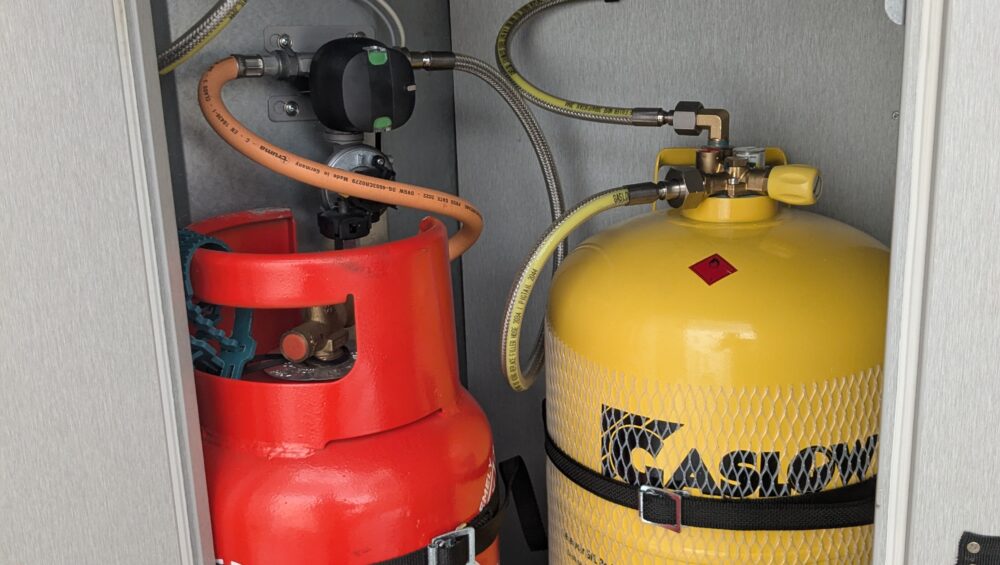
A motorhome’s LPG system is made up of several important components that all need to work together:
- Gas cylinders or refillable tanks that store the LPG
- Regulators that control gas pressure
- Hoses and pipework that safely deliver gas to appliances
- Appliances such as hobs, heaters and boilers
- Ventilation systems to prevent gas build-up
If any one of these components becomes worn or damaged, the safety and efficiency of the entire system can be affected.
Common LPG Gas Problems Motorhome Owners Face
LPG systems are generally reliable but over time issues can develop. Common problems include gas smells, appliances failing to ignite, regulators freezing or failing, cracked hoses or leaks caused by wear and tear. Cold weather, long periods of storage and vibration while driving can all contribute to these issues.
It’s important not to ignore warning signs. What starts as a minor fault can quickly become a safety risk if left unchecked.
How Often Should LPG Systems Be Checked?
It’s recommended that motorhome LPG systems are checked at least once a year by a qualified professional. This is included within an AWS Habitation Service. Regular inspections help ensure the system is operating safely, efficiently, and in line with current safety standards. Annual checks are also often expected by insurers and can protect your vehicle’s value.
If you use your motorhome frequently, tour in colder months or notice any changes in how your appliances perform, it’s wise to have the system checked sooner.
Why Professional LPG Repairs Matter
LPG gas repairs should always be carried out by experienced motorhome specialists. Incorrect repairs or DIY fixes can be extremely dangerous and may invalidate insurance cover. A professional repair includes proper diagnostics, safe replacement of faulty parts, pressure testing and confirmation that the system is operating correctly.
At Bristol Caravans, LPG gas repairs are carried out safely and correctly, using suitable parts and proven procedures, giving owners confidence every time they use their gas system.
Peace of Mind on Every Journey
Your LPG system is central to your comfort on the road but it also demands respect and regular care. Understanding how it works, recognising warning sign and keeping up with inspections helps ensure safe, stress-free travel.
If you have concerns about your LPG system or simply want reassurance before your next trip, having it professionally checked is a smart step. A well-maintained LPG system means you can focus on enjoying the journey, not worrying about what’s happening behind the scenes.
LPG Gas Systems: Quick FAQs
How do I know if my LPG system has a problem?
Common signs include smelling gas, appliances not lighting properly, weak flames or frost forming on the regulator. If you notice any of these, the system should be checked as soon as possible.
Is it safe to use my motorhome if I smell gas?
No. Turn off the gas supply immediately at the LPG bottle, ventilate the vehicle and avoid using electrical switches or appliances. The system should be inspected by a professional before further use.
How often should LPG hoses and regulators be replaced?
Hoses and regulators should be replaced according to manufacturer guidelines, typically every few years, even if they appear to be in good condition.
Can I carry out LPG repairs myself?
LPG repairs should always be carried out by a qualified professional. DIY repairs can be dangerous and may invalidate your insurance.
Do LPG checks affect my insurance?
Many insurers expect LPG systems to be properly maintained and checked regularly. Keeping records of professional inspections and repairs helps protect your cover.
Can I buy a tool on the internet and refill my standard gas bottle?
No. You should only refill an LPG bottle if it is designed as a “refillable” bottle. Refillable bottles have safety devices, which stop over filling. Over filling can trigger extreme internal bottles pressures, which may lead to bottle failure or explosion.
If you have any concerns about your LPG gas system or would simply like reassurance before your next trip, Bristol Caravans is here to help. Our experienced team carries out LPG gas inspections and repairs safely and correctly, giving you confidence every time you use your motorhome. Get in touch to discuss your vehicle or to book an LPG gas check at a time that suits you.
👉 Book your free assessment today: contact us
📞 01454 612 893 | 📧 service@bristolcaravans.com